Bad breath is a common concern, and most people assume the cause lies in poor oral hygiene. Brushing, flossing, and mouthwash are often the first solutions people try. Yet for some, unpleasant breath continues despite consistent dental care. When this happens, the source of the problem may not be the teeth at all, but an area deeper in the throat.
Understanding what tonsil stones are, why they form, and how they can be managed safely is essential for anyone dealing with chronic breath concerns or throat discomfort.
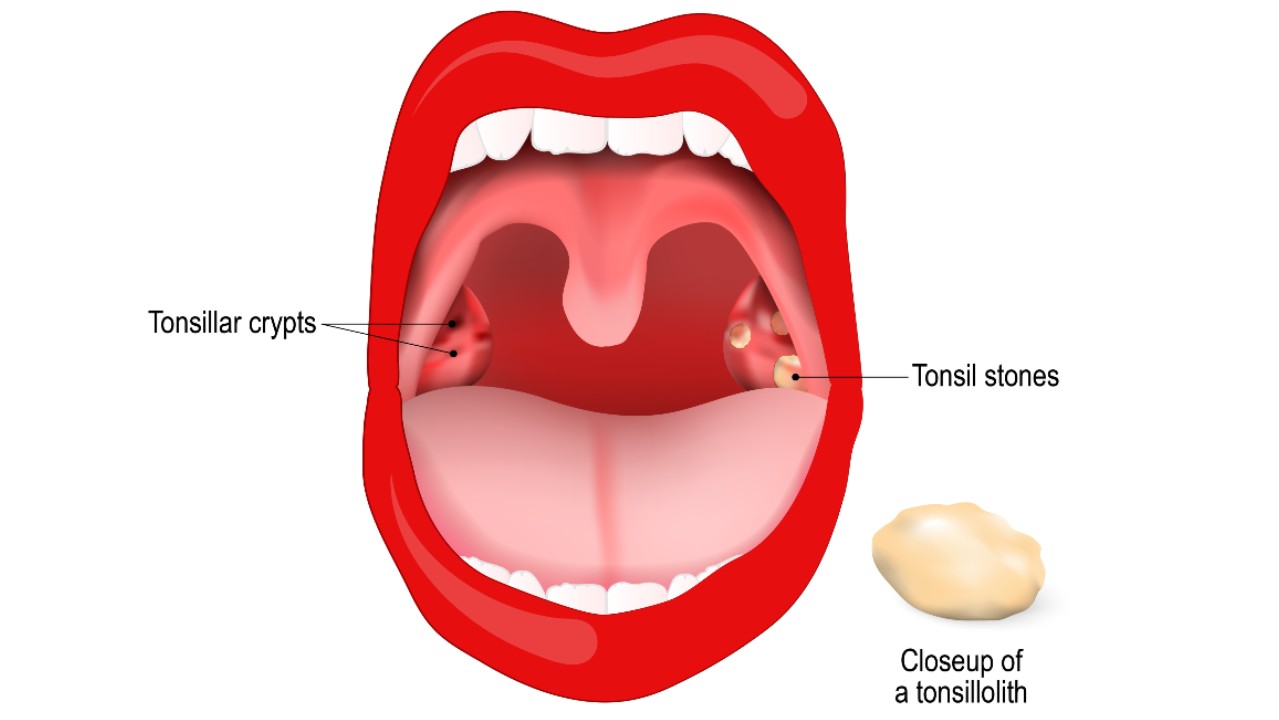
Tonsil stones are small accumulations of debris that develop within the tonsils. The tonsils are soft tissues located at the back of the throat and play a role in immune defense. Their surface is not smooth. Instead, it contains natural folds and pockets known as crypts.
-
Food particles
-
Dead cells shed from the mouth and throat
-
Mucus from the respiratory tract
-
Bacteria that normally live in the oral cavity
Over time, minerals naturally present in saliva—such as calcium and phosphorus—can cause this trapped material to harden. The result is a small, firm mass known as a tonsil stone.
Tonsil stones vary in size. Some are barely visible, while others can grow large enough to be noticed without special equipment. Many people have them without realizing it.
Why Tonsil Stones Are Associated With Bad Breath
The strong odor associated with tonsil stones comes from bacterial activity. Certain bacteria thrive in low-oxygen environments like tonsil crypts. As they break down organic material, they release compounds known as volatile sulfur compounds.
These compounds are the same substances responsible for many cases of halitosis. Because tonsil stones sit deep in the throat, conventional mouthwash often cannot reach the source of the odor. This explains why some people experience persistent bad breath even with excellent oral hygiene.
Importantly, the presence of tonsil stones does not indicate poor cleanliness. In many cases, anatomy and mucus production play a much larger role than hygiene habits.
Common Symptoms Linked to Tonsil Stones
Not everyone with tonsil stones experiences noticeable symptoms. However, many people report a combination of the following signs:
-
Ongoing bad breath that does not improve with brushing or mouthwash
-
A persistent unpleasant taste in the mouth
-
A sensation of something stuck in the throat
-
Frequent throat clearing
-
Mild discomfort or irritation in the throat
-
White or yellowish spots visible on the tonsils
-
Occasional ear discomfort due to shared nerve pathways
These symptoms often appear gradually, which is why tonsil stones may go unrecognized for long periods.
Who Is More Likely to Develop Tonsil Stones?
Tonsil stones can affect people of all ages, but they are more common in certain groups. Risk factors include:
-
Naturally large or deeply folded tonsils
-
A history of frequent tonsillitis
-
Post-nasal drip caused by allergies or sinus issues
-
Chronic nasal congestion
-
Dry mouth or dehydration
Teenagers and young adults tend to experience tonsil stones more frequently, though they can occur at any stage of life.
Are Tonsil Stones Dangerous?
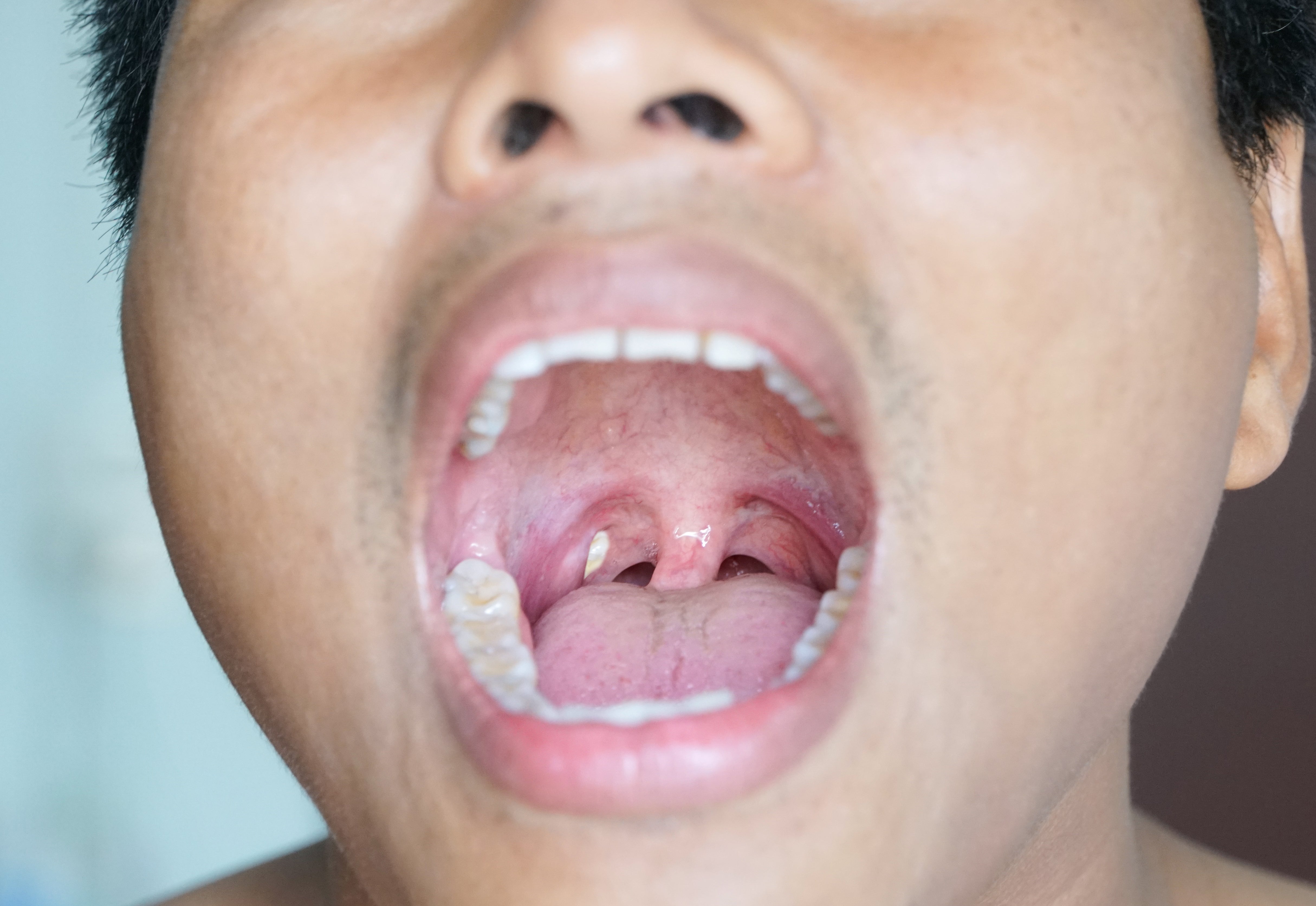
In most cases, tonsil stones are harmless. They are not considered a serious medical condition and do not typically lead to complications. However, they can significantly affect comfort, confidence, and quality of life due to their association with bad breath and throat irritation.
Rarely, very large stones or recurrent inflammation may require medical evaluation. Persistent swelling, pain, bleeding, or one-sided tonsil enlargement should always be assessed by a healthcare professional.
Safe At-Home Management Options
Many people manage mild tonsil stones successfully at home with gentle, consistent care. Aggressive or forceful removal should always be avoided, as the tonsils are sensitive and can bleed easily.
Gentle Removal (When Stones Are Visible)
If a stone is clearly visible and easily accessible:
-
A clean cotton swab may be used with very light pressure
-
A low-pressure oral irrigator can help flush debris from the tonsil surface
-
Forcing tools deep into the throat should be avoided
After any attempt at removal, gargling with warm salt water can help soothe the area and reduce bacterial buildup.