I was digging through my pantry the other day—ostensibly looking for pasta, but mostly avoiding actual responsibilities—when I came across a forgotten bag of potatoes. At first glance, everything seemed fine. Then I noticed the sprouts.
Not tiny nubs. Not subtle signs of age. These were long, pale, determined shoots, stretching out like they were actively trying to escape the bag. My immediate reaction was disgust. My second thought was more urgent: Can I still eat these, or is this a terrible idea?
As it turns out, sprouted potatoes are more complicated than most of us realize.
Why Potatoes Sprout in the First Place
Potatoes are living plant structures, even after harvest. When they’re stored for long periods—especially in warm, bright, or humid conditions—they begin preparing to grow. Sprouting is simply the potato trying to turn itself into a new plant.
From the potato’s perspective, this is normal and logical. From the human perspective, it raises questions about safety.
Sprouts Aren’t Just an Aesthetic Problem
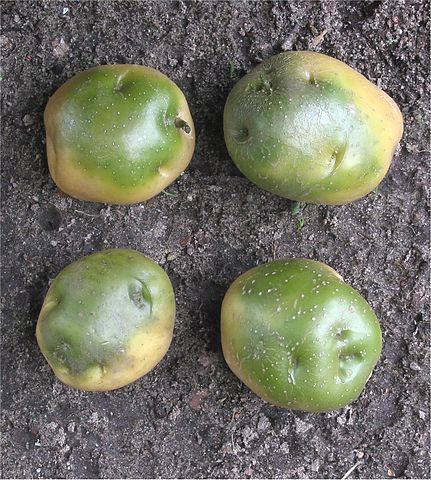
It’s easy to assume that potato sprouts are only a cosmetic issue. They look strange, sure, but many people assume they’re harmless.
That assumption is only partly true.